
Property Defects Checklist for NZ Home Buyers
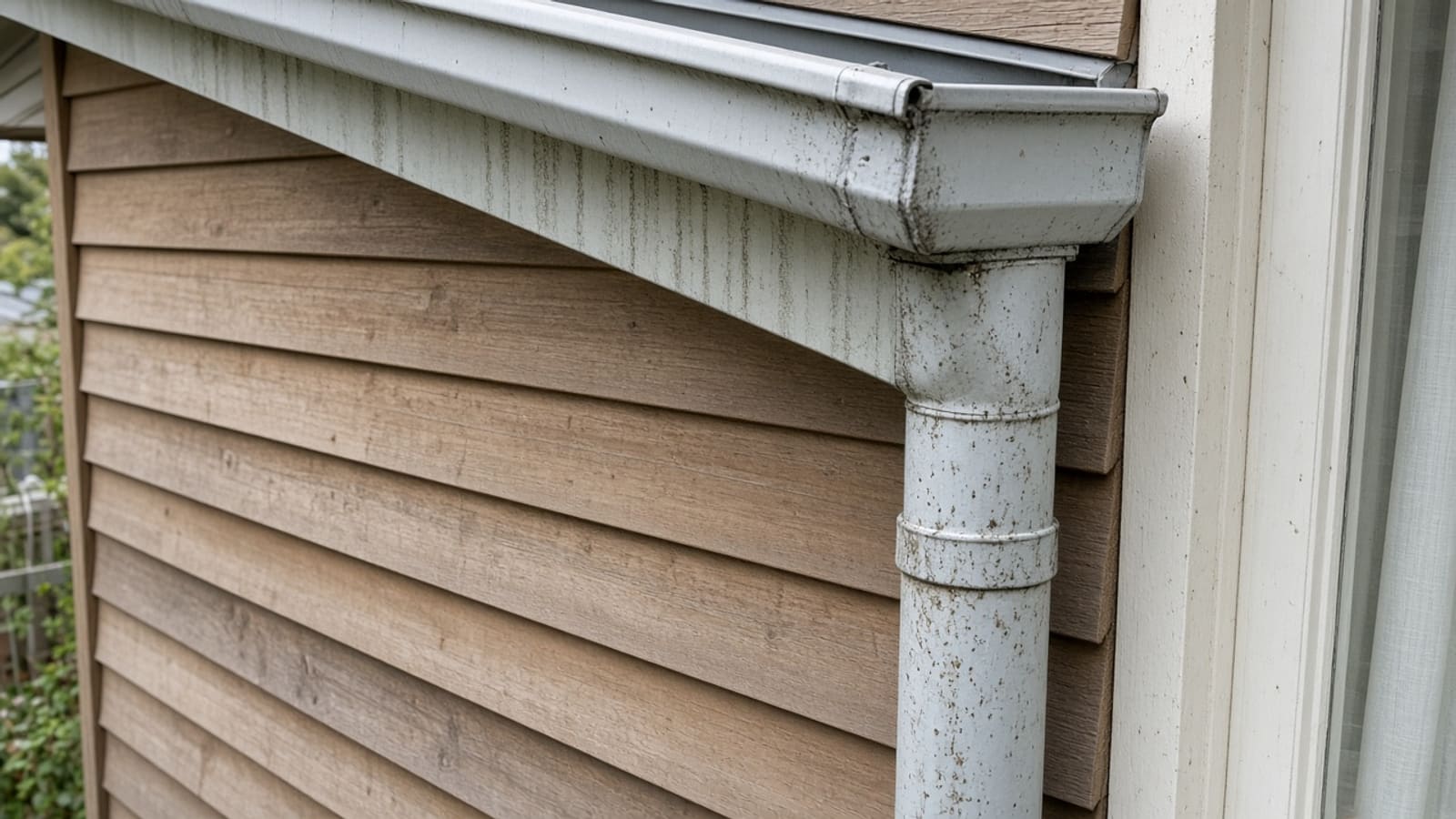
A house can look well presented during a viewing and still carry expensive maintenance or repair risks. This property defects checklist helps buyers, sellers and investors notice visible warning signs, ask focused questions and decide whether a professional inspection should be arranged before a major decision is made.
It is not a substitute for a full building inspection. Some defects are concealed behind linings, under flooring, within roof spaces or only become apparent with specialist assessment. But a careful initial walk-through can prevent you from dismissing signs that deserve a closer look.
Start with the property as a whole
Before concentrating on individual rooms, step back and look at how the home sits on the site. In Christchurch and wider Canterbury, weather exposure, drainage, ground levels and ongoing maintenance can all affect a building's performance over time.
Look for water collecting near the house, gardens or paving built up against cladding, and downpipes that discharge too close to the foundations. Surface water should be directed away from the building where practical. Staining on paths, moss in persistently damp areas or eroded soil may indicate that water management needs attention.
Also consider the age, style and apparent upkeep of the property. A tidy garden and fresh paint are positive signs, but they do not establish the condition of concealed components. Ask when the roof was last maintained, whether exterior painting has been kept up to date, and what significant work has been completed.
Property defects checklist: exterior and roof
The outside of a home is its first defence against the elements. Small gaps or neglected maintenance can allow water into places where damage is harder to see. Walk around the entire building if access allows, rather than relying on the street-facing elevation.
Use this checklist to guide your observations:
- Check cladding for cracks, dents, loose boards, open joints, staining, deteriorated sealant and areas where paint or coatings are failing.
- Look around windows and doors for gaps, damaged flashings, swollen timber, staining beneath sills or signs that frames are not sitting square.
- Observe the roof from safe ground level. Missing, slipped or damaged roofing, sagging lines, corrosion, blocked gutters and loose spouting should all be noted.
- Check chimneys, roof penetrations and junctions between different roof sections, as these areas often need careful maintenance.
- Inspect decks, steps, balustrades and handrails for decay, movement, corrosion, loose fixings or surfaces that feel unstable.
- Look below the house where visible for damaged piles, excess ground moisture, poor ventilation or timber that appears deteriorated.
Do not climb onto a roof or enter unsafe areas during a viewing. A drone roof inspection or professional assessment may be appropriate where roof surfaces and high-level details cannot be seen properly from the ground.
Pay attention to transitions
Many issues occur where materials meet: a deck against cladding, a window within a wall, a roof against a higher wall, or paving beside the home. These transitions rely on correct detailing and regular upkeep. If you see cracking, open gaps, staining or a build-up of vegetation and debris, record it and raise it with your inspector.
Inside the home: moisture, movement and condition
Once indoors, use your senses. A musty smell, a room that feels unusually cold or damp, and obvious attempts to mask odours can all warrant further investigation. Open curtains where possible, inspect corners and look behind accessible furniture, particularly in bathrooms, kitchens, laundries and bedrooms on external walls.
Watch for water marks on ceilings, bubbling paint, peeling wallpaper, swollen skirting boards and discoloured wall linings. These can result from past or present moisture entry, plumbing leaks, condensation or other causes. The visible mark alone does not identify the source, which is why moisture investigation can be valuable when concerns arise.
Cracks should be viewed in context. Fine cracks in paint or plaster may be cosmetic, while wider, recurring or stepped cracking can justify further assessment. Note their location, direction and whether doors or windows nearby are sticking. Uneven floors, noticeable bounce or doors that will not latch can also be useful observations, although they are not proof of a particular defect.
Check whether rooms appear to have adequate ventilation. Bathrooms and kitchens are high-moisture areas, so signs of condensation, mould growth, damaged linings or poor extraction deserve attention. Do not assume that a newly painted ceiling means the underlying cause has been resolved.
Kitchens, bathrooms and laundries
These rooms combine water, joins, fixtures and frequent use. A small leak around a shower, bath, sink or appliance can cause damage before it is visible elsewhere.
Look closely at sealant lines, tiled surfaces, shower surrounds, cabinetry beneath sinks and flooring around toilets, baths and washing-machine connections. Soft or swollen cabinetry, loose tiles, cracked grout, staining, mould or a persistent damp smell should be recorded. If permitted, run taps briefly and look for obvious drips or slow drainage, while recognising that a viewing is not a plumbing assessment.
Ask about the age of wet-area renovations and whether relevant documentation is available. A professional property inspection can identify visible condition concerns and recommend where further specialist advice may be sensible.
Doors, windows, ceilings and floors
Open and close a selection of doors and windows. You are looking for smooth operation, secure latches, damaged joinery, failed seals and signs of water entry around frames. Condensation on glazing can be seasonal and household-related, but persistent moisture damage around window linings needs a closer look.
Scan ceilings in natural light for patching, stains and changes in texture. In rooms below roof valleys, bathrooms and upper-storey areas, ceiling marks should always prompt questions. Underfoot, look for damaged coverings, raised edges, soft areas and noticeable changes in level between rooms.
If access is available, roof spaces and subfloor areas can reveal information that is not visible from living areas. However, these spaces may be restricted or unsafe. A professional inspector can assess accessible areas within the scope of the inspection and document findings with photographs.
Ask questions that produce useful answers
A vendor or agent may not know every detail about a property, but clear questions can help you understand its history. Ask about known leaks, previous repairs, insurance claims, alterations, drainage concerns and maintenance undertaken. Request copies of available invoices, warranties, records and plans rather than relying on verbal assurances.
For a newer home, ask about handover documentation, outstanding work and any items that have already required attention. For an investment property, consider the condition of exterior elements, wet areas, heating and ventilation, and components likely to affect future maintenance planning.
Keep notes as you walk through. Photographs are useful where permitted, particularly of stains, cracks, exterior junctions and areas you want an inspector to review. Time pressure can make it easy to forget what you saw in one room compared with another.
Know when a professional inspection is the sensible next step
A buyer's own checklist is helpful for identifying questions, but it cannot test every building element or determine the cause of every visible symptom. Arrange a professional building inspection when the property is a serious prospect, especially if you have noticed moisture indicators, cladding concerns, roof maintenance issues, cracking, poor drainage or evidence of alterations.
A detailed inspection report should make findings understandable. Look for clear descriptions, supporting photographs, practical recommendations and an explanation of what could not be inspected. Mainland Home Inspections provides NZS 4306-compliant residential inspections with plain-English digital reporting, helping clients review visible defects and maintenance priorities without unnecessary jargon.
For sellers, working through a property defects checklist before listing can also be useful. It gives you an opportunity to address straightforward maintenance, gather documents and avoid being caught off guard by issues raised later in a buyer's report. It does not mean every item needs repairing before sale, but knowing the condition of the property puts you in a better position to respond openly.
The most useful outcome is not a perfect-looking house. It is a clearer understanding of what you are buying, selling or maintaining, what deserves further investigation, and what practical action should come next.
Also shared on our Google Business Profile.