
Healthy Homes Inspection NZ for Landlords
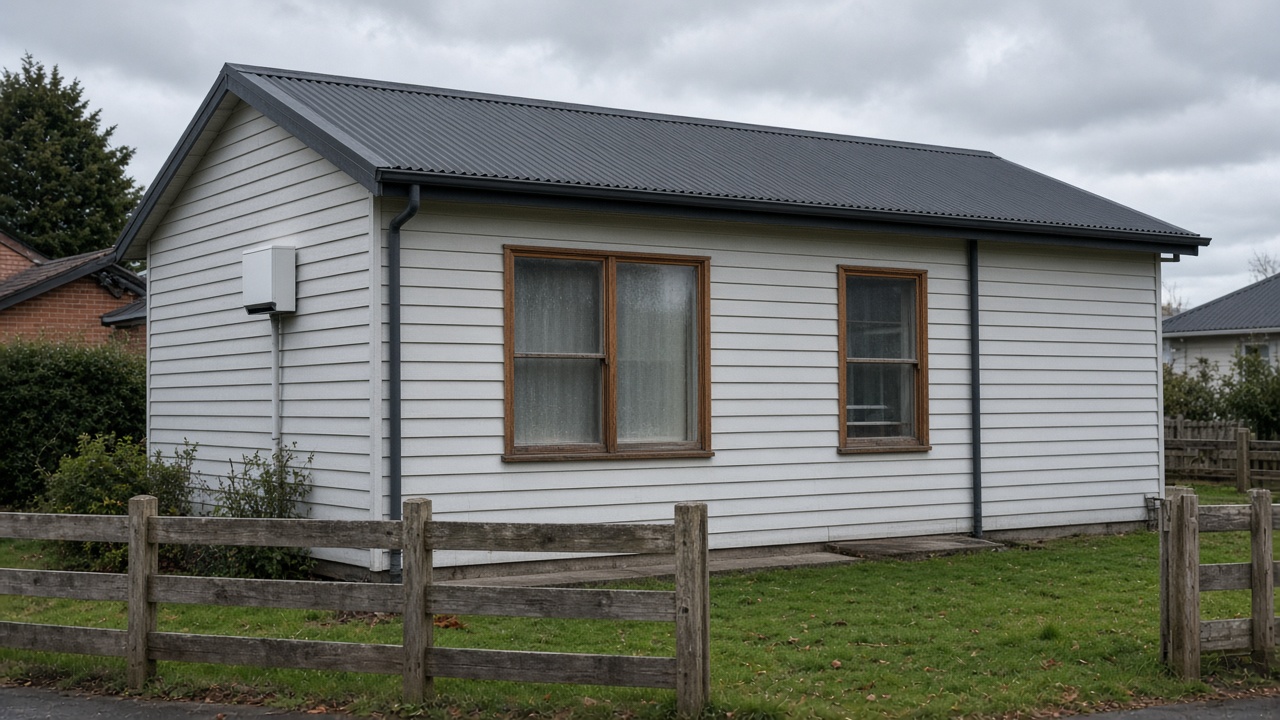
A rental can look tidy at a viewing yet still have the conditions that lead to cold rooms, persistent condensation, mould growth or avoidable maintenance costs. A healthy homes inspection NZ gives landlords a clearer picture of the property’s visible condition and the practical work that may be needed to support a warmer, drier home.
For Canterbury landlords, this is particularly useful before a tenancy begins, when purchasing an investment property, or when a tenant has raised concerns about dampness, draughts or moisture. The aim is not to make assumptions from a checklist. It is to look at the home as a whole, document what can be seen and accessed on the day, and turn findings into sensible next steps.
What a healthy homes inspection NZ can help identify
Healthy homes considerations are closely connected. A home may have insulation, for example, but still feel cold if it has significant draughts, ineffective heating or moisture entering beneath the building. Likewise, condensation on windows may be influenced by ventilation habits, bathroom extraction, the number of occupants and the condition of the home itself.
A professional inspection can help a landlord understand the visible features and condition relevant to these areas. This commonly includes an assessment of accessible insulation, heating arrangements, ventilation provisions, signs of moisture ingress or drainage concerns, and obvious gaps that may contribute to draughts. The inspection should also take account of the wider building condition, because defects in roofing, cladding, gutters, subfloor areas and joinery can affect how a property performs over time.
The value is in context. A photo of stained lining, for instance, is useful evidence, but it becomes more useful when paired with an explanation of its likely significance, the limitations of the observation and a practical recommendation for further investigation or maintenance.
Inspection findings are not the same as a compliance certificate
Landlords should be cautious of anyone presenting a brief visit as a guarantee that a rental property has no problems or meets every requirement. Building inspections are generally visual and non-invasive. Areas behind linings, beneath fixed floor coverings or inside concealed pipework cannot be fully assessed without more specialised investigation.
Requirements and tenancy circumstances can also change. For that reason, landlords should confirm their current obligations through the appropriate official channels and use inspection findings as reliable property information for planning work, keeping records and making informed decisions. A well-prepared report supports that process, rather than replacing it.
Why visible moisture evidence deserves prompt attention
Moisture is one of the most expensive issues to leave unresolved. It can begin with something relatively ordinary: a blocked gutter, worn sealant around a window, poor ground clearance, damaged flashing or a bathroom fan that is not performing as expected. Over time, repeated wetting can affect linings, framing, floor coverings and indoor comfort.
Not every mark or elevated reading has the same cause. Surface condensation can look different from moisture entering through the building envelope, and a single observation is rarely enough to diagnose a concealed issue with certainty. That is why an inspection should distinguish between visible evidence, areas of concern and the next level of assessment that may be appropriate.
Thermal imaging and moisture investigation tools can add useful evidence in the right circumstances. They can help identify temperature differences or moisture patterns that warrant closer attention, but they are not a substitute for professional judgement or invasive testing. Used alongside a thorough visual inspection, they help create a more complete picture of the property’s condition.
Heating, ventilation and insulation work as a system
A common mistake is to treat each healthy homes area as a separate job. Installing a heater may improve one room, but it will not resolve dampness caused by a leaking exterior wall. Adding insulation can improve comfort, but moisture-laden air still needs a route out of kitchens and bathrooms.
An inspection helps you see where the system may be falling short. In accessible roof and subfloor spaces, the assessor can look for visible insulation issues, such as gaps, disturbance or areas that appear limited by the space available. In living areas, the report can record the existing heating arrangement and relevant building features. In wet areas, it can consider the visible ventilation setup and any signs that moisture is lingering where it should not.
This does not mean every older home needs every element replaced at once. Priorities depend on the property, its condition, the urgency of the issue and the work already completed. A leaking roofline or active moisture concern should usually be addressed before cosmetic improvements. A clear report makes those decisions easier by separating urgent repair items from routine maintenance and longer-term upgrades.
When should a landlord arrange an inspection?
Timing matters. Arranging a condition-focused inspection before advertising a rental gives you time to resolve visible concerns without the pressure of a move-in date. It also provides a useful baseline record of the property’s condition, supported by photographs and plain-English notes.
An inspection is also worthwhile when buying a rental. Pre-purchase due diligence should look beyond presentation and consider the maintenance liabilities that may follow settlement. A property with tired gutters, deteriorating exterior joinery or signs of subfloor dampness may still be a sound purchase, but you need enough information to budget realistically and negotiate with confidence.
Existing landlords may benefit from an inspection after a period of heavy weather, before a major maintenance programme, or when recurring tenant feedback points to the same issue. Reports of mould, condensation, a cold bedroom or a musty smell should not be dismissed as a lifestyle issue without first considering the condition of the building and the ventilation available.
What a useful inspection report should give you
The report is where the inspection becomes a decision-making tool. Generic wording and unexplained technical terms do little for a landlord who needs to organise repairs, speak with a property manager or assess a potential purchase.
Look for a report that clearly records what was inspected, what was not accessible and where limitations apply. Findings should be supported by good-quality photographs, so you can identify the location and condition of the item without revisiting the property to decipher a note. Most importantly, recommendations should be proportionate. A minor maintenance item should not be written up as a crisis, while a defect with the potential to worsen should be stated plainly.
Mainland Home Inspections provides photo-rich digital reports designed to make building conditions understandable, with practical recommendations and a rapid turnaround. For landlords working to a tenancy or settlement timeframe, receiving clear information quickly can make the difference between a planned repair and an expensive last-minute response.
Ask questions before booking
Before arranging any property inspection, confirm the scope. Ask whether the assessor will consider accessible roof and subfloor areas where relevant, document visible moisture concerns, include photographs, and explain any exclusions or access limitations. If you have a specific concern, such as a recurring leak or a cold room, raise it when booking so it can be given proper attention during the visit.
It is also sensible to ensure the property is accessible. Locked garages, stored belongings beneath the house, inaccessible roof hatches and overgrown exterior areas can limit what can be viewed. An honest report will record those restrictions, but preparing access beforehand gives you the best opportunity for a useful assessment.
Turn findings into a maintenance plan
A healthy rental is not created by one inspection alone. It is maintained through timely repairs, sensible upgrades and attention to small defects before they become larger ones. Once you receive the report, sort recommendations by urgency: active water entry and safety-related concerns require prompt action; maintenance items should be scheduled; and improvement opportunities can be budgeted for in a logical order.
Keep records of inspections, repairs and maintenance decisions. This creates a clearer history for your own management, future tenants and any eventual sale. It also prevents repeated guesswork when the same concern resurfaces months later.
The most useful outcome is confidence based on evidence. When you understand what the property is showing you now, you can act early, protect its condition and provide tenants with a home that is more comfortable to live in.