
Example New Home Snag Report for NZ Buyers
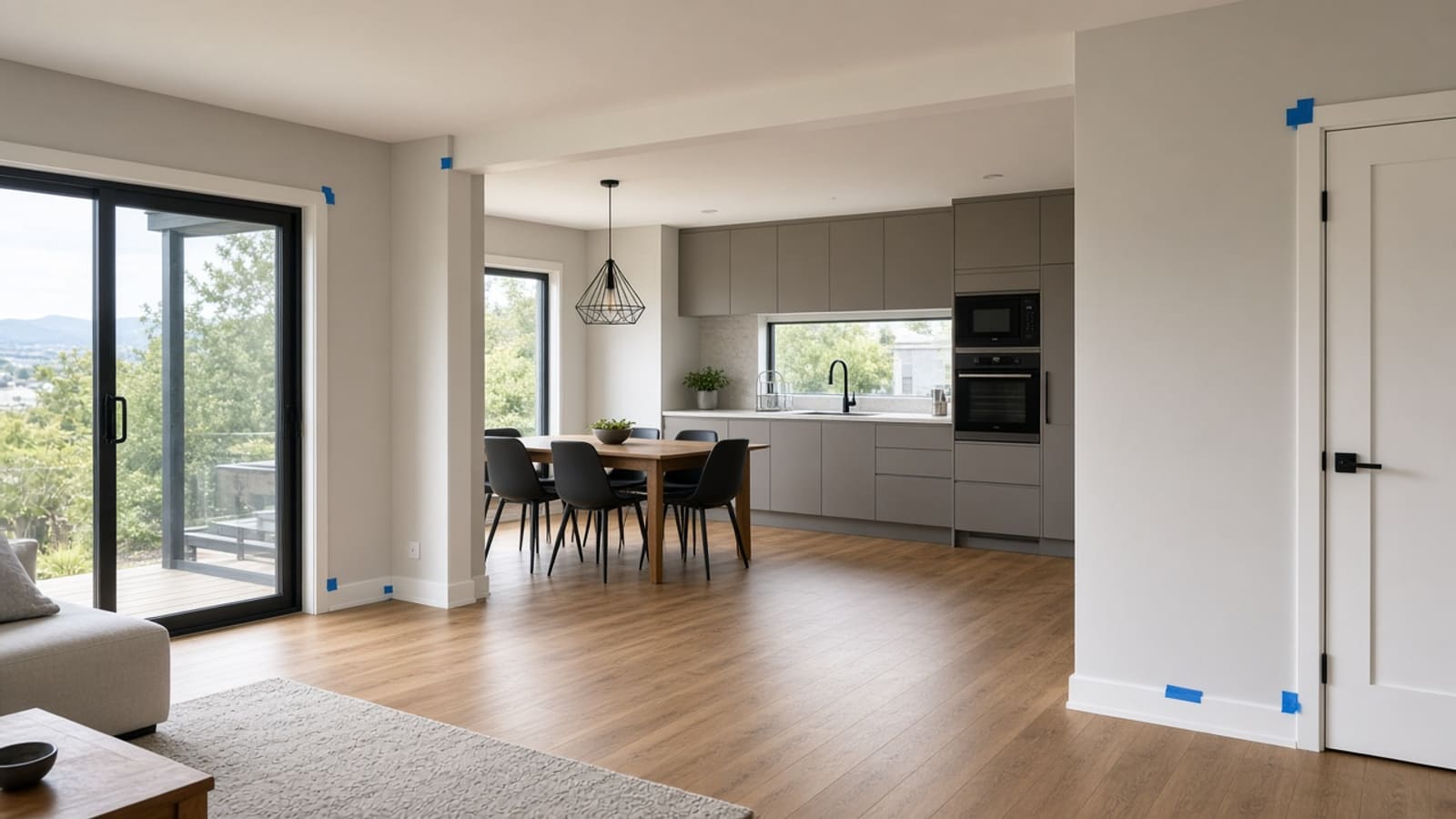
A new home can look finished long before every detail is ready for handover. Fresh paint, new flooring and clean glazing can make minor faults easy to miss, particularly when you are focused on moving dates and final payments. An example new home snag report shows how an independent inspection turns those observations into a clear, photo-supported record of items that need attention.
For buyers in Christchurch and Canterbury, the most useful report is not a long list of technical terms. It explains what was observed, where it is located, why it matters, and what practical follow-up is sensible before you take possession. It also helps you communicate clearly with your builder or developer without overstating the issue.
What a new home snag report is designed to do
A snag report records visible defects, incomplete work and workmanship concerns identified during a new-build or handover inspection. The purpose is to give the owner a structured list of matters to raise before handover, or to document issues discovered shortly afterwards where access and timing allow.
It is not a replacement for the builder's own quality checks, and it cannot reveal every defect hidden behind linings, beneath flooring or inside inaccessible areas. A professional inspection is visual and non-invasive unless a different scope has been agreed. That limitation matters, but it does not reduce the value of a careful inspection. Many handover problems are visible once someone methodically checks the property rather than simply walks through it.
The report should separate minor cosmetic matters from items that may affect weather-tightness, drainage, safety, durability or day-to-day use. That distinction helps you focus discussions on the right issues first.
Example new home snag report: what it should contain
A well-presented report begins with the property details, inspection date, weather conditions where relevant, and the scope of the inspection. It should then set out findings in plain English, supported by clear photographs and precise locations.
A useful entry is more than a note saying “paint defect” or “door issue”. It should provide enough detail for the recipient to find and understand the concern. For example:
Location: Main bedroom, north wall beside window > Finding: Visible paint touch-up marks and uneven finish at eye level. > Recommendation: Review and rectify the finish so the surface has a consistent appearance under normal lighting. > Priority: Routine completion item. > Evidence:** Supporting photo included.
This format is simple, but it avoids confusion. The room, the affected area, the observed condition and the requested action are all clear. A photo gives the builder or site manager a starting point, while the written description remains useful if the image is viewed later on a different screen.
Clear priorities make the report easier to use
Not every snag needs the same response. A mark on a skirting board may be worth recording, but it should not distract from a concern around exterior cladding, roof drainage or moisture management. Reports often group or rate findings so owners can deal with more consequential matters first.
Priority does not mean an inspector is directing repair work or making a legal judgement. It is a practical way to indicate which observations are likely to deserve prompt attention and which are generally completion or presentation items. The exact order will depend on the property, the stage of construction and what can be seen at the inspection.
Typical findings in a new-build handover inspection
Each home is different, and a report should reflect the actual property rather than rely on a generic checklist. Still, certain categories appear regularly in handover inspections.
Internal finishing issues can include paint coverage, plasterboard stopping, sealant finish, damaged trim, poorly aligned cabinetry, loose handles, sticking doors or windows that need adjustment. These items can be small individually, but a detailed record prevents them being lost among the pressure of move-in day.
External observations may include incomplete sealant, cladding finish concerns, damaged exterior surfaces, gaps around penetrations, deck detailing, incomplete flashings visible from accessible areas, or downpipe and guttering issues. The level of significance depends on the location and the condition observed. A minor blemish and a detail that may direct water where it should not go are not equivalent.
The report may also identify practical operation issues. Doors should be checked for latching and alignment, windows for opening and closing where safe to do so, and visible fixtures for secure installation and finish. Where thermal imaging or other diagnostic tools are included in the agreed inspection scope, the findings should be presented with care and explained in context rather than treated as proof of a concealed fault on their own.
What good visual evidence looks like
Photos are a major part of a useful snag report, but quantity alone is not the goal. Images should be sharp, well framed and linked to the corresponding finding. A close-up can show the defect, while a wider image can establish the location within the room or exterior elevation.
Captions matter just as much. A photo of a sealant gap without a location may be difficult to action. A caption that identifies the wall, opening or junction makes the report easier for a site manager to work through efficiently.
Digital reporting is particularly helpful here. It allows the owner to review findings on a phone, tablet or computer, share the report with the relevant party and keep a dated record of the property's condition at that point in time. Mainland Home Inspections provides detailed interactive digital reports, typically within around 24 hours, so clients can keep the handover process moving.
How to use the report before handover
Once you receive the report, read it fully before sending a condensed list of points to the builder or developer. Sending the complete report is often the clearest approach because it preserves the location, photos and recommendations. Keep communications factual and specific: refer to the report item number, identify the area, and ask how and when it will be addressed.
If handover is close, ask which items can be completed before possession and which require a return visit. Some minor works may be better completed after you move in, particularly where trades need access or materials are on order. That can be reasonable, provided the work is documented, expectations are clear and you retain the report and related correspondence.
Avoid treating a snag report as a scorecard for a dispute. Its value lies in creating a practical record that helps the right people find, assess and resolve concerns. A calm, well-organised approach usually produces better conversations than broad statements that the house is “not finished”.
Questions to ask when reviewing an example report
When comparing an example new home snag report with a report you may receive, look beyond the number of findings. A short report can be thorough if the home has few visible concerns, while a longer report may simply reflect a larger property or more detailed documentation.
Ask whether each finding has a clear location, a plain-English explanation, relevant photos and a practical recommendation. Check whether the report distinguishes between observations that need prompt review and ordinary finishing items. Also check that the scope and limitations are stated, so you understand what was and was not inspected.
A report written to NZS 4306 residential property inspection standards should also make its process and boundaries clear. That transparency matters because a professional inspection is intended to support an informed property decision, not create false certainty.
Arrange the inspection at the right stage
Timing affects what can be checked. A handover inspection is most useful when the home is substantially complete, services are connected where needed for normal operation, and the inspector can access the relevant rooms, exterior areas and roof space where available. If protective coverings, stored materials or unfinished works block access, the report should record that limitation.
Booking early gives you more options, especially when settlement or move-in dates are fixed. It also allows time for the report to be reviewed and for any agreed follow-up work to be arranged without unnecessary pressure.
A new home deserves the same careful attention as an older one. The right report does not turn a handover into an adversarial process. It gives you a clear, evidence-based way to ask the practical question that matters most: what still needs to be put right before this house becomes home?
Also shared on our Google Business Profile.