
Christchurch Homebuyer Due Diligence Checks
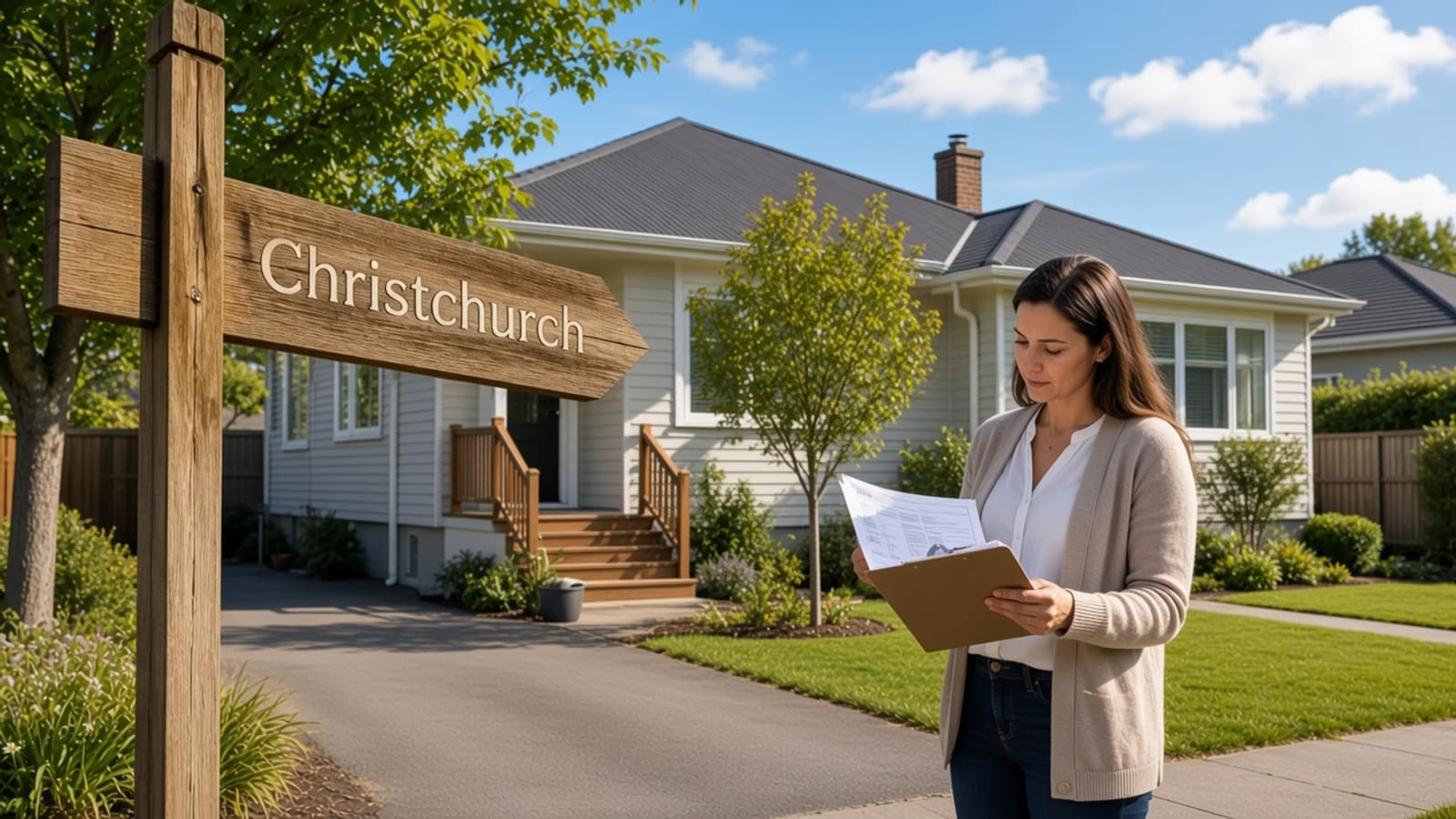
A home can look well presented at an open home and still carry maintenance, moisture or repair risks that are not obvious in a 20-minute viewing. Christchurch homebuyer due diligence is the process of slowing the decision down just enough to check the information that could affect your budget, your offer and your plans for the property.
For first-home buyers, this can feel like a long list added to an already demanding purchase process. For investors, it is about making a fast decision without relying on assumptions. In both cases, the aim is the same: obtain clear evidence, understand the limits of that evidence, and know which questions need answering before you commit.
What Christchurch homebuyer due diligence should cover
Due diligence is not one document or one inspection. It is a set of checks that build a fuller picture of the home, the land and the work that may be required after settlement. The detail needed will depend on the age, construction type, visible condition and history of the property.
Start with the sale information and compare it with what you can see. Look carefully at the property listing, council information supplied with the sale, plans where available, and records relating to alterations, repairs or additions. If a room has been added, a garage converted, or significant repairs completed, ask for the paperwork that explains what was done and when.
A Land Information Memorandum can help identify information held by council, while your solicitor can advise on the documents and conditions relevant to your purchase. Insurance availability and the terms offered are also worth investigating early, particularly where a property has a history of damage or repair. These checks do different jobs. Together, they reduce the chance that a significant issue is discovered only after you take ownership.
In Christchurch and wider Canterbury, it is sensible to ask direct questions about past earthquake damage and repairs where relevant. The answer should be supported by available records rather than a verbal assurance alone. A property may have been repaired well, but you still need to understand the nature of the work, the documentation available and whether anything visible today warrants further investigation.
Make the building inspection evidence-led
A professional pre-purchase building inspection gives you an independent view of the accessible parts of a property at a particular point in time. It should be more useful than a simple list of defects. You need photos, plain-English explanations, an indication of why a finding matters, and practical recommendations for what to do next.
The inspection should assess visible building condition and maintenance issues across key areas such as the exterior, roof space where accessible, subfloor where accessible, interior, wet areas, joinery and site drainage. It can reveal warning signs that are easy to miss during an open home, including deteriorated cladding, roof defects, dampness indicators, poor ground clearance, ageing sealants, movement cracks or ineffective drainage around the building.
No non-invasive inspection can see behind every lining, beneath every floor covering or inside every concealed connection. That limitation matters. A good report makes clear what was inspected, what was not accessible, and where further specialist advice may be appropriate. Treat inaccessible areas as an information gap, not proof that there is no issue.
For homes with signs of moisture, a moisture investigation may provide more targeted information. Thermal imaging can also help identify temperature variations that may warrant closer attention, but it is not a replacement for a full assessment. The right level of investigation depends on the property and the evidence found on site.
Mainland Home Inspections provides NZS 4306-compliant residential inspections with clear visual reporting, practical recommendations and a digital report delivered within approximately 24 hours. That turnaround can be valuable when a finance or building-report condition has a short timeframe, but speed should not mean rushing the review. Set aside time to read the report properly and raise questions while your purchase decision is still open.
Look beyond cosmetic presentation
Fresh paint, tidy gardens and new carpet can improve first impressions. They do not confirm the condition of the building behind them. During your own viewing, look for patterns rather than isolated imperfections.
Inside, pay attention to staining, cracking, uneven floors, sticking doors, musty smells and damage around windows, showers and sinks. Outside, observe whether paving or soil sits high against cladding, whether downpipes discharge effectively, and whether decks, retaining, fences and outbuildings appear maintained. These observations do not diagnose a problem on their own, but they help you ask better questions and ensure they are considered during an inspection.
The roof deserves particular attention because a small failure can lead to costly internal damage over time. From ground level, look for obvious wear, sagging, damaged gutters and vegetation that may obstruct drainage. A drone roof inspection can be useful where roof areas are difficult or unsafe to view closely, providing visual evidence without relying on guesswork from the driveway.
Older homes often require a different mindset from newer homes. Age-related wear is not automatically a reason to walk away. Many character homes are sound and rewarding to own, but their maintenance needs, insulation performance, drainage arrangements and past alterations should be reflected in your budget and expectations. A newer home may have fewer visible maintenance issues, yet a handover or new-build inspection can still identify defects requiring attention before you take possession.
Turn findings into a realistic decision
The most useful due diligence does not stop at identifying defects. It helps you distinguish between routine maintenance, work that needs prompt attention, and issues that require further assessment before you decide how to proceed.
For example, worn sealant and minor paint deterioration may be manageable maintenance items. Widespread moisture indicators, evidence of water entry, substantial cracking, roof concerns or unclear alteration history deserve more careful investigation. The cost and urgency can vary greatly, so avoid trying to price a repair from photographs or a brief description alone.
If your report recommends further investigation, act within the timeframe of your contract conditions. Obtain appropriate advice or quotations for the specific issue rather than assuming the worst or dismissing it as an inspection caveat. This is where a detailed report earns its value: it gives you a defined starting point for the next conversation.
Consider the property in the context of your own plans. A buyer intending to renovate may accept maintenance work that would not suit someone wanting a move-in-ready home. An investor may focus on ongoing upkeep, tenant appeal and likely holding costs. A family may place more weight on drainage, usable outdoor areas or the condition of additions. The right decision is not always about finding a flawless house. It is about buying with a clear view of the work, cost and uncertainty you are accepting.
Keep your conditions and deadlines visible
Property decisions can move quickly, especially when several parties are interested. That is precisely when a simple due diligence plan helps. Before making an offer, know which checks you need, who will complete them and how long each may take. Ensure your purchase conditions allow enough time to receive and consider the information.
Keep all reports, photos, records and correspondence in one place. Compare the inspector's findings with vendor-provided documents and your own observations. If something does not align, ask for clarification rather than filling the gap with an assumption. A clear paper trail is also useful when planning maintenance after settlement.
Do not confuse a clean-looking report with certainty, or a report containing defects with a failed purchase. Nearly every existing home will have maintenance items. What matters is whether the significant findings are understood, whether further work is needed, and whether the property still suits your budget and appetite for risk.
A careful inspection and document review will not remove every unknown, but they can replace pressure and guesswork with practical evidence. Before you commit to an offer, give yourself enough time to understand the home you are buying, the questions still outstanding and the next sensible step.
Also shared on our Google Business Profile.