
Builder Warranty Inspection NZ: When to Book
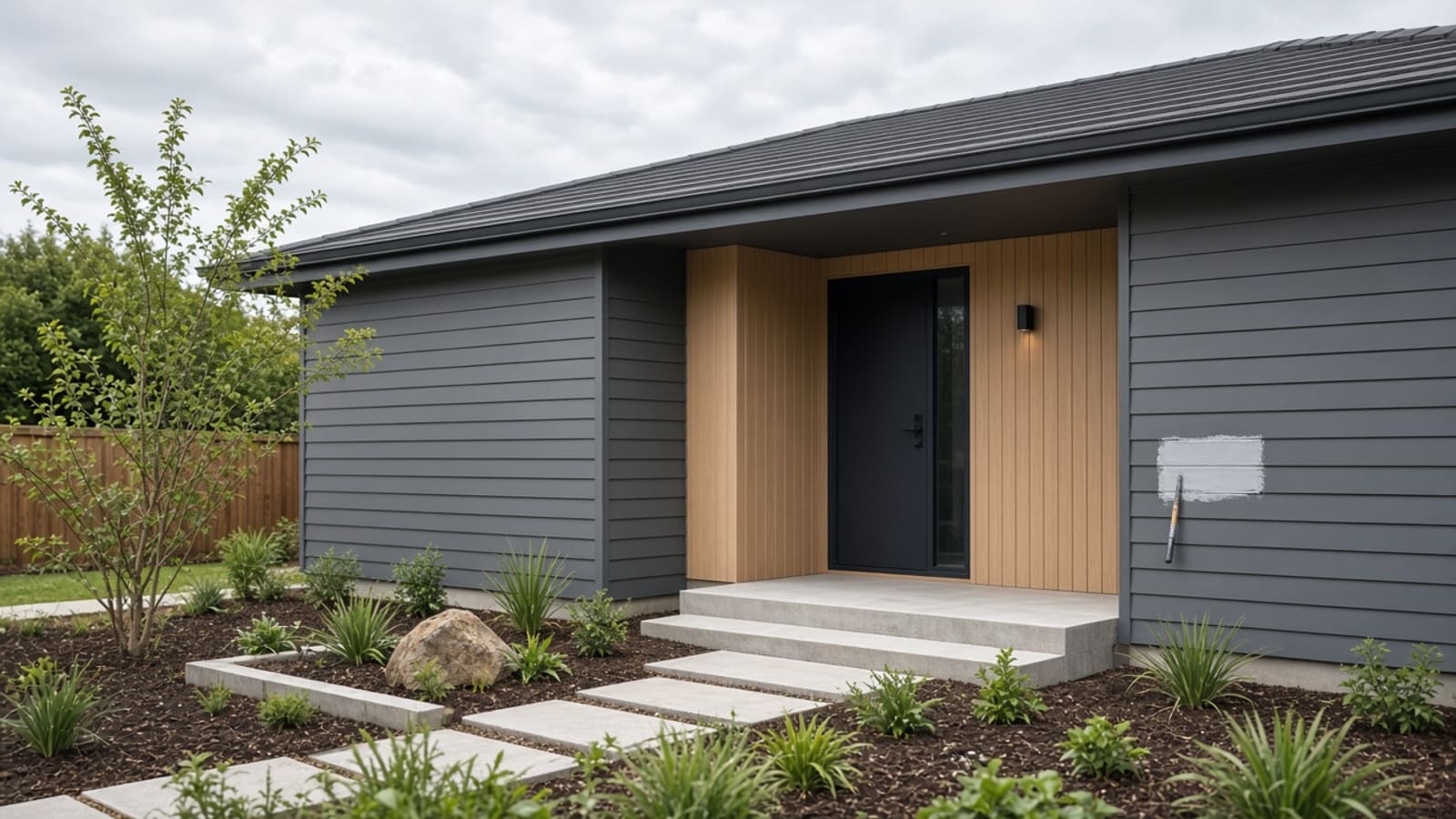
A small crack beside a window, a sticking door or water ponding where it should drain away can be easy to overlook while you are settling into a new home. Yet these are the sorts of issues worth recording early. A builder warranty inspection NZ homeowners arrange gives them an independent, clearly documented view of visible defects and maintenance concerns before relevant notification dates pass.
For Christchurch and Canterbury owners, it is a practical way to replace uncertainty with evidence. The aim is not to assume the worst or to turn normal settling into a dispute. It is to identify what deserves attention, present it in plain English and give you a useful basis for speaking with your builder.
What is a builder warranty inspection?
A builder warranty inspection is a visual assessment of a recently completed home, usually carried out after handover and before a defects or warranty reporting period ends. It focuses on the property’s observable condition, workmanship concerns and items that may need repair, adjustment or further assessment.
The inspection should be independent of the builder. That matters because a photo-rich report can distinguish between a minor cosmetic item, a maintenance task and an issue that warrants a prompt conversation. It also creates a dated record of what was visible at the time of inspection.
Every building contract, warranty document and insurance arrangement can be different. Rather than relying on assumptions about what is covered or when, check your paperwork for relevant timeframes, notification steps and exclusions. An inspection report supports your understanding of the home’s condition, but it is not legal advice and does not decide liability or coverage.
The best time to arrange a builder warranty inspection in NZ
Timing depends on your purpose. If you have only recently moved in, an inspection can capture obvious concerns before they become part of the background noise of daily life. If you are approaching a stated defects-notification date, allow enough time to receive the report, review it and raise matters with the builder in the way your contract requires.
Many owners find that living in the home through changing weather helps reveal issues that were not obvious on handover day. A heavy Canterbury downpour may highlight overflowing gutters or drainage behaviour. Cooler conditions can make condensation, draughts or inconsistent heating more noticeable. That does not mean you should wait for a problem to worsen. It means the right timing is often a balance between allowing the home to be used normally and acting before your available reporting window closes.
A handover inspection and a later warranty inspection serve different purposes. The first is about checking a new build before you take possession. The second is a condition check after occupation, when use and seasonal conditions may have exposed concerns. If you missed a pre-handover inspection, a later assessment can still provide valuable information, but it cannot recreate the condition of the home on handover day.
What an independent inspector may look for
A professional residential inspection considers the accessible, visible elements of the property and how they appear to be performing. The exact scope should be confirmed before booking, especially for complex homes, multi-unit developments or properties with difficult roof access.
Areas commonly reviewed include the roof exterior where safely accessible or observable, cladding, flashings, joinery, decks, gutters, exterior drainage observations, interior linings, floors, doors, windows, wet areas and visible signs of moisture. The inspection may also identify unfinished items, inconsistent finishes, cracking, damage or installation details that appear to need review.
The value is in context. A report should not simply list every mark and imperfection. It should explain the observed issue, show clear visual evidence and set out a practical next step. That may be monitoring, routine maintenance, referring the matter to the builder or obtaining advice from an appropriate specialist where the concern falls outside the inspection scope.
At Mainland Home Inspections, reports are prepared in plain English with detailed photographs and practical recommendations. The inspection process follows NZS 4306 Residential Property Inspection Standards, with reports designed to help owners make decisions rather than decode technical jargon.
What an inspection cannot do
No non-invasive building inspection can see behind wall linings, beneath flooring or inside every concealed component. A visual inspection also does not replace specialist electrical, plumbing, engineering, asbestos or other testing where those services may be required.
Access, weather, furnishings and landscaping can affect what can be assessed on the day. A good report makes those limitations clear. That transparency is useful because it tells you both what was observed and what may need further investigation if there are supporting signs of a problem.
Preparing for the inspection
A little preparation helps the inspection focus on the home rather than avoidable access barriers. Keep your building contract, warranty information, handover list and any correspondence with the builder available for your own reference. Make a brief note of issues you have noticed, including when they occur and whether they are affected by rain, wind or normal use.
Before the appointment, ensure reasonable access to the home, garage, roof space where applicable and exterior areas. Move stored items away from walls where possible and unlock gates. If you have photographs from handover or earlier communications about specific items, retain them alongside the final inspection report.
Avoid trying to diagnose the cause yourself. A stain, for example, may have several possible explanations. Accurate descriptions such as “water marks appeared after heavy rain” are more useful than conclusions about what caused them.
Using the report with your builder
Once you receive the report, read the findings in order of priority. Address items described as needing prompt attention first, then work through repairs, adjustments and lower-priority defects. Keep your communication factual and organised: identify the item, attach the relevant report page or image, and ask what process the builder proposes.
Most productive conversations stay focused on evidence and outcomes. A detailed inspection report can reduce misunderstandings because both parties can refer to the same location, description and photograph. If the builder asks for an opportunity to inspect an item, keep notes of site visits, agreed actions and completion dates.
Do not let a long list make every point feel equally urgent. Minor paint touch-ups and more significant moisture indicators deserve different responses. An experienced inspector helps by presenting findings in a way that supports sensible prioritisation.
Choosing the right inspection provider
For a builder warranty inspection, choose an inspector who is independent, appropriately experienced in residential construction and clear about the scope of work. Ask how quickly you will receive the report, whether it includes photographs, how limitations are recorded and whether the inspector carries appropriate insurance.
Speed matters when you are working around a notification date, but detail matters just as much. A fast report is only helpful if it is specific enough to use. Look for reporting that makes the issue, location, supporting image and recommended next step easy to understand.
A new home should be enjoyable to own, not a running list of worries you are unsure how to raise. Booking an inspection early enough to act gives you clear evidence, a practical plan and more confidence in the conversations that follow.
Also shared on our Google Business Profile.