
Best Signs of Hidden Moisture Damage at Home
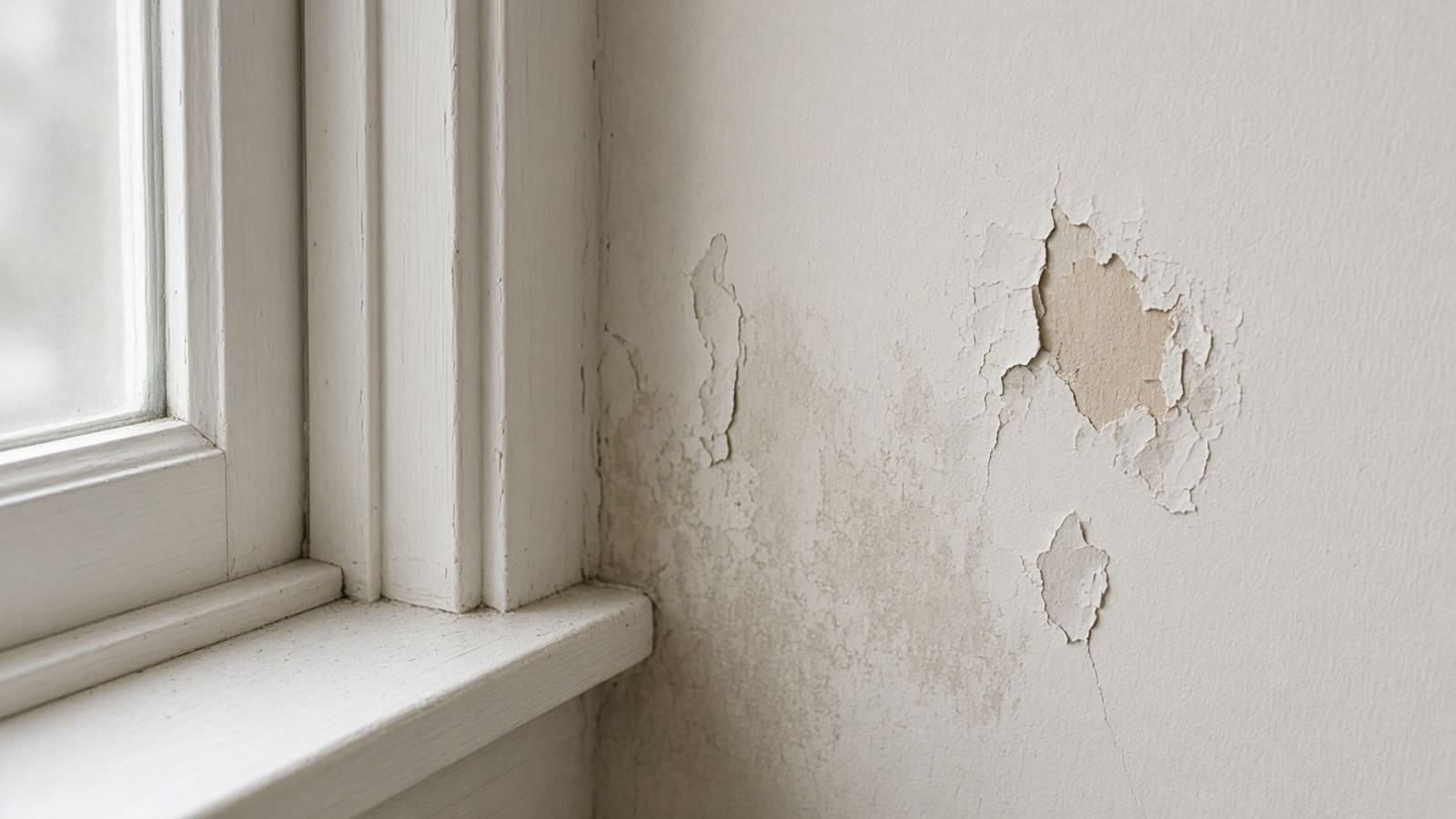
A freshly painted wall can look reassuring, but moisture damage rarely announces itself with a dramatic leak. It often begins behind linings, beneath flooring, around window openings or within roof spaces, where small amounts of water can cause gradual deterioration. Knowing the best signs of hidden moisture damage helps buyers, owners and landlords ask the right questions before a minor maintenance issue becomes a costly repair.
For Christchurch and Canterbury properties, exposure matters. Wind-driven rain, older joinery, complex rooflines, poorly maintained gutters and ageing sealants can all create opportunities for water to enter a building. The signs below do not prove the source or extent of a problem on their own, but they are reasons to investigate further.
Best signs of hidden moisture damage to look for
A persistent musty smell
A musty or earthy smell is one of the most useful early clues because it can be present before obvious staining appears. It may be stronger when a home has been closed up, after rain, or in rooms with limited ventilation such as wardrobes, bathrooms and spare bedrooms.
The smell can be associated with damp materials or mould growth, but the location matters. A bathroom that smells damp may have a ventilation or shower-sealing issue. A smell around an exterior wall, window or ceiling may point to water entering from outside. Do not assume an air freshener or open window has solved the underlying cause.
Staining, discolouration or tide marks
Yellow-brown marks on ceilings, wall linings or around window reveals are familiar warning signs. So are faint rings, darker patches and paint that looks uneven in certain light. These marks may be old rather than active, particularly where a leak has been repaired and surfaces have been redecorated.
That distinction is important when assessing a property. Old staining still warrants questions about what happened, what repairs were carried out and whether the affected materials were checked. New or worsening staining deserves prompt attention, especially after wet weather.
Bubbling paint, swollen skirtings or lifting finishes
Paint that bubbles, flakes or separates from a surface can indicate moisture beneath it. Timber skirtings may swell or soften at their lower edge, while laminate flooring can lift, cup or develop gaps near exterior walls, kitchens, laundries and bathrooms.
These symptoms can also result from poor surface preparation or normal wear, so context is essential. When several symptoms occur together - such as lifting paint beside a stained window reveal and a musty smell - the concern is stronger than any single cosmetic defect alone.
Mould that keeps returning
Surface mould is not always evidence of a building leak. Condensation, limited heating, inadequate ventilation and everyday shower use can all contribute, particularly in colder parts of the home. However, mould that returns soon after cleaning, is concentrated in one area, or appears on ceilings and external-facing walls should not be dismissed.
Look for patterns. Mould around aluminium joinery may relate to condensation, while repeated growth around a wall penetration, shower enclosure or ceiling corner can justify a closer moisture assessment. The aim is to identify why the area remains damp, rather than simply treating what is visible.
Soft, swollen or deteriorated timber
Timber should generally feel firm when carefully checked at accessible locations. Softness around window frames, door jambs, skirtings, decks or exterior cladding details can indicate prolonged moisture exposure. Cracking, splitting, peeling coatings and darkened timber are also useful visual clues.
Be cautious about trying to probe or pull at materials yourself. You can damage a finish and still fail to establish what is happening behind it. A professional inspection can assess accessible areas methodically and record the evidence clearly.
Changes around windows and doors
Windows and exterior doors sit at common transition points between the weather and the interior of a home. Watch for swelling or staining to timber trims, loose sealant, deteriorated cladding junctions, corrosion, or internal linings that feel damp or look distorted.
A door that suddenly sticks can have several causes, including seasonal movement. But when sticking doors occur alongside swollen jambs, cracking paint or localised staining, moisture should be considered. The same applies to windows that become difficult to operate in a specific area of the house.
Ceiling clues and roof-space concerns
A ceiling stain beneath a roofline, chimney, skylight or roof penetration should always be taken seriously. Water may travel along framing before becoming visible, so the apparent location of a stain is not necessarily where water entered.
Other clues include sagging plasterboard, cracked ceiling paint, rusty fixings, damp insulation or an odour in the roof space. Roof leaks may only show themselves during particular wind directions or sustained rainfall, which is why a home can appear dry during a viewing yet still have a history of water entry.
Unexplained high humidity or condensation in one room
Condensation is common in occupied homes and is not automatically a sign of hidden damage. Still, unusually heavy condensation in one room, especially when other rooms are unaffected, can point to poor ventilation, a cold surface, plumbing-related moisture or a localised building issue.
Pay attention to rooms where moisture is routinely produced: bathrooms, laundries and kitchens. Also consider enclosed spaces such as wardrobes on outside walls. If surfaces remain damp for long periods, materials have less opportunity to dry between wetting events.
Cracked sealants and vulnerable wet areas
Showers, baths, sinks and benchtops rely on junctions being kept in good condition. Cracked silicone, gaps around shower linings, loose tiles, deteriorated grout or swelling to nearby cabinetry can allow water into concealed areas over time.
The visible sealant is only one part of the picture. A neatly resealed shower may look sound while an older issue remains behind the lining or beneath the floor. This is why repeated staining, soft finishes or movement around a wet area should be assessed rather than covered over.
What these signs can and cannot tell you
Visible symptoms are useful indicators, not a diagnosis. A stain might relate to a historic roof leak, condensation, a plumbing issue or water entry through cladding. Similarly, a dry surface on inspection day does not rule out intermittent moisture entry.
The age, design, maintenance history and exposure of the property all influence the level of risk. Homes with complex roof forms, older external joinery, enclosed decks, bathrooms above living areas or heavily weather-exposed elevations may need closer scrutiny. Recent repainting can improve presentation, but it should not end reasonable enquiries about prior repairs or recurring issues.
For buyers, the practical question is not simply, “Is there a mark?” It is, “What does the evidence suggest, what areas are affected, and what should happen next?” Clear answers support better decisions around conditions, budgeting and negotiations without overstating what can be confirmed from a non-invasive assessment.
When a professional moisture investigation is worthwhile
A standard building inspection can identify many accessible warning signs, but a targeted moisture investigation is particularly useful when there is a pattern of concern. That may include recurring mould, staining after rain, a suspected leak near a shower, deteriorating finishes around joinery, or previous repair work with limited supporting information.
A professional assessment brings a more systematic approach than relying on appearance alone. Moisture readings and thermal imaging can help identify areas that warrant further attention, while visual evidence and plain-English reporting make the findings easier to discuss with the relevant tradesperson, vendor or property manager. These tools assist the investigation, but no non-invasive inspection can see through every concealed building element or confirm every defect.
If you are purchasing, arrange the inspection early enough to consider the findings properly. If you are selling, identifying concerns before listing gives you more control over maintenance decisions and avoids being surprised late in a buyer’s due-diligence process. For landlords and owners, acting when a pattern first appears can reduce disruption and help protect the condition of the property.
A detailed report should separate observed evidence from likely implications and practical next steps. Mainland Home Inspections provides photo-rich, plain-English reporting so property decisions are based on more than a quick look at freshly painted surfaces.
If a smell, stain or soft finish has been nagging at you, treat it as useful information rather than an inconvenience. Asking for a properly documented assessment now can give you a clearer path forward before the next spell of wet weather tests the building again.
Also shared on our Google Business Profile.