
Building Inspection Advice
How Much Does a Building Inspection Cost in NZ?
A cheap inspection can be expensive if it leaves you with unanswered questions before you commit to a property. If you are asking how much does a building inspection cost nz, the most useful answer is that there is no single nationwide figure. The price should reflect the property, the inspection scope, the inspector’s experience and the quality of the report you receive afterwards.
For a Christchurch or Canterbury property, ask for a clear written quote based on the home’s size, age and complexity. Then compare what is actually included, rather than choosing on the lowest number alone.
What affects building inspection cost in NZ?
A standard residential inspection is usually priced according to the time required on site and the depth of assessment needed. A compact, straightforward home takes less time to inspect than a large, multi-level property with several additions, difficult roof access or signs of moisture concerns.
Property size is often the starting point. More floor area generally means more rooms, exterior cladding, roofing, subfloor areas and joinery to assess. A home with multiple dwellings, converted spaces or extensive outbuildings may also require a tailored quote because the inspection is no longer a simple single-house assessment.
Age and construction style matter too. Older homes can have a long maintenance history and altered building fabric to work through. Some newer homes require close attention at handover, when identifying incomplete work, visible defects and items to raise with the builder is time-sensitive. Neither is automatically more costly, but both can change the time and expertise required.
Access is another practical factor. A roof that can be safely viewed from appropriate points is different from one that needs closer visual assessment using a drone. Restricted subfloor access, steep sites, high ceilings and dense landscaping can also affect the inspection approach. A professional should explain any limitations in the report rather than implying that inaccessible areas have been fully assessed.
The inspection scope matters more than the headline price
When comparing building inspection costs, make sure each provider is quoting for the same service. Two prices can look similar while delivering very different levels of information.
A thorough pre-purchase building inspection should assess the readily accessible parts of the home and record observed condition issues in a clear, useful way. The report should help you understand what requires urgent attention, what may need repair or further investigation, and what routine maintenance is likely to be needed.
At Mainland Home Inspections, reports are prepared to support property decisions rather than simply list defects. That means plain-English explanations, visual evidence and practical recommendations can be as valuable as the site visit itself. Receiving a detailed interactive digital report within about 24 hours also matters when a purchase decision is moving quickly.
Before accepting a quote, check whether it includes a comprehensive digital report with photographs, a discussion of the findings, and a clear statement of the inspection scope and limitations. These details make it easier to compare quotes fairly and to use the report in conversations with agents, vendors or tradespeople.
Standard inspection versus additional assessments
Some concerns call for more than a standard visual building inspection. These services may be separately priced because they involve extra time, specialist equipment or a different reporting focus.
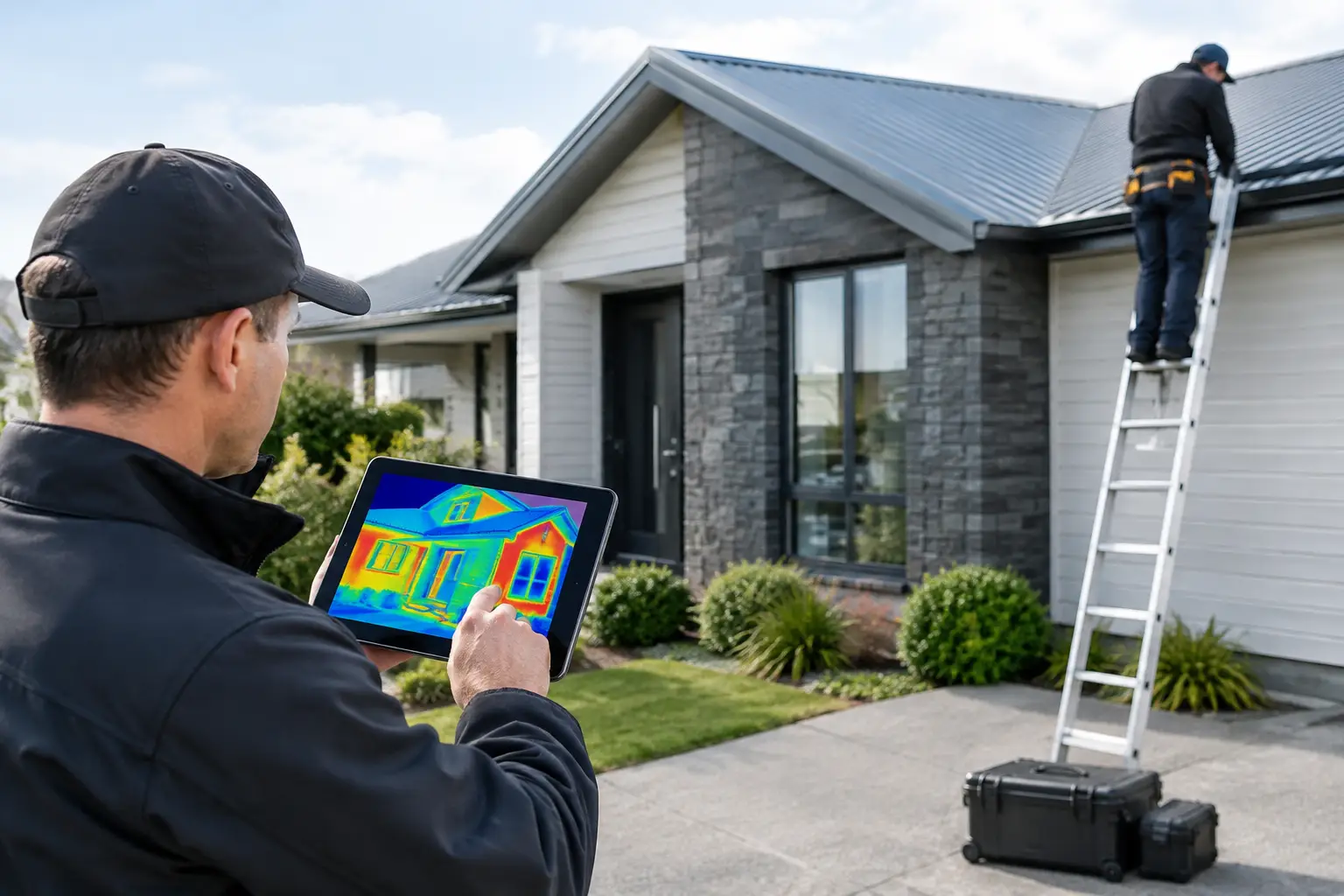
Thermal imaging can assist with investigating temperature variations that may warrant closer attention. Moisture investigation may be appropriate where there are visible warning signs, reported leaks or particular areas of concern. A drone roof inspection can provide useful visual information where conventional viewing is limited or unsafe.
Pre-sale inspections, rental-property condition reports, new-build inspections and multi-unit assessments also have different purposes. A quote should state exactly what you are booking, so there is no uncertainty about the outcome you can expect.
Extra services are not automatically necessary for every property. A good inspector will explain why an add-on may be useful in your situation, rather than treating it as a standard upsell. If you are concerned about a particular issue, raise it before the inspection so the scope can be discussed properly.
What should be included in the quoted cost?
A building inspection quote should be easy to understand. It should identify the property address, the service being provided, the inspection date or timing, and any factors that could alter the final cost. If a property is outside the usual service area or has unusual access requirements, that should be made clear before work begins.
The quote should also tell you what deliverable you will receive. For most buyers, the report is the lasting value of the inspection. Look for a report that is organised, photo-rich and written in language you can act on. Technical terms have their place, but they should not leave a first-home buyer guessing about the seriousness of an issue.
It is sensible to ask about the inspector’s relevant building experience, insurance cover and the standard used for residential inspections. In New Zealand, NZS 4306 is commonly used as a framework for residential property inspections. Compliance with a recognised standard helps define the scope of a visual inspection, but it does not turn the process into a guarantee that every concealed defect will be found.
A clear provider will be equally clear about what a standard inspection does not cover. Inspections are generally non-invasive, meaning walls, linings and other building elements are not opened up. Specialist assessments may be required where the inspection identifies a concern outside its scope.
How to compare quotes without cutting corners
A lower price is not necessarily poor value, and a higher price is not automatically better. The right choice is the inspection that gives you dependable, understandable information for the decision in front of you.
When reviewing quotes, compare these practical points:
- the property size, type and any extra buildings included in the scope;
- whether the inspection follows NZS 4306 residential inspection standards;
- the inspector’s construction experience, professional accountability and insurance cover;
- the report format, photo evidence and expected turnaround time; and
- whether any additional tools or assessments are included, optional or excluded.
This comparison is especially useful where a property has known risk factors. For example, a home with a complex roofline, visible staining, extensive alterations or a large site may need more than the most basic inspection option. Paying for the right scope before you go unconditional can give you far better information than trying to interpret a vague report later.
When is the best time to book an inspection?
For buyers, the ideal time is early enough in the purchase process to allow for a proper inspection and time to review the report. If your agreement has a building inspection condition, make sure the timeframe is realistic. Fast report turnaround is helpful, but it should not mean the inspection itself is rushed.
Sellers can benefit from booking before listing. A pre-sale inspection can identify maintenance items or defects that may otherwise emerge during a buyer’s due diligence. It gives you the option to address issues, obtain information about likely repairs, or simply present the property with a clearer understanding of its condition.
New-build owners should consider an inspection before handover or while defects can still be raised through the appropriate process. The key is to book early, particularly when settlement dates and trades schedules are fixed.
Is a building inspection worth the cost?
A building inspection is a due-diligence cost, not a prediction of every future repair. Its value lies in helping you make a decision with clearer evidence. The report may reveal a maintenance burden you had not allowed for, support a request for further information, or give you confidence to proceed knowing the property’s visible condition has been professionally assessed.
For first-home buyers, that clarity can reduce the pressure of trying to interpret cracked plaster, moisture marks or ageing cladding on your own. For investors and experienced owners, a prompt, well-documented report can make it easier to prioritise expenditure and compare opportunities.
The best question is not simply, “What is the cheapest inspection?” Ask what information you need before making a high-value property decision, then choose an inspector whose scope, experience and reporting give you a clear answer.